

Established in 1996 by Mahindra, Project Nanhi Kali is jointly managed by the K.C. Mahindra Education Trust and the Naandi Foundation. Over nearly three decades, it has reached close to nine lakh underprivileged girls across India, with a target to empower one million girls by FY 2026. The initiative spans diverse geographies—from tribal villages in Araku to border districts like Darjeeling and Shravasti—creating ecosystems of change through academic support, sports, technology, and skill training, according to a statement.
“Our endeavour to empower underprivileged girls through academic support, sports, technology and now skill training is a testament to how Project Nanhi Kali has evolved with changing times. The book offers a soul-stirring glimpse into what change looks like beyond mere numbers,” Anand Mahindra said during the launch.
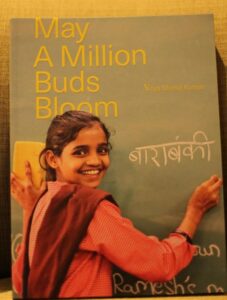
The book, authored by student and photographer Nitya Manoj Kumar, captures stories of resilience and transformation through photographs and personal narratives. Over three years, Nitya travelled extensively with Nanhi Kalis—joining them in classrooms, on playgrounds, and in their homes—to portray how education has given them confidence, agency, and aspirations.
Project Nanhi Kali has continually evolved its model. Initially providing after-school academic support, it now offers 21st-century skills, including financial and digital literacy, to help girls transition from school to the workplace. Its all-women team of Skills Associates act as role models and mentors. Sports has also become a key pillar, with over 150,000 girls participating in the Toofaan Games athletics events and more than 1,000 football teams competing in the Toofaan Cup, making it India’s largest active girls’ club.
Rohini Mukherjee, Chief of Global Partnerships, Naandi Foundation, said, “For nearly three decades, Project Nanhi Kali has been committed to breaking barriers that prevent girls from accessing their right to education, choice, and contribution to India’s growth story.”
Sheetal Mehta, Executive Director of Project Nanhi Kali and SVP – CSR, Mahindra Group, added, “The true impact of our work is reflected not just in numbers, but in the confidence in the girls’ eyes and the dreams they now dare to dream.”
Nitya Manoj Kumar noted that the book emphasizes lived experiences, saying, “These stories speak of confidence, hope, and transformation—changes that cannot always be measured, but deeply felt.”
With Nanhi Kali 3.0 aligned to the National Education Policy 2020, the programme continues to focus on equipping girls from low-income backgrounds with life and career skills, furthering its vision of breaking gender barriers through education.

